Basic Spanish Phrases for Your Trip
The Linguistic Charm of the Valley of Longevity
Mastering the Lojano dialect isn’t just about grammar; it’s about connecting with the soul of the Sacred Valley. In Vilcabamba, language is the bridge to our centenarian neighbors. Standard Spanish textbooks often miss the melodic nuances of the Loja province. Here, speech reflects the gentle landscape—soft, polite, and deeply respectful. By learning a few local variations, you transition from a “turista” to a welcome guest. This guide focuses on the specific etiquette required when visiting Vilcabamba and the surrounding Loja region.
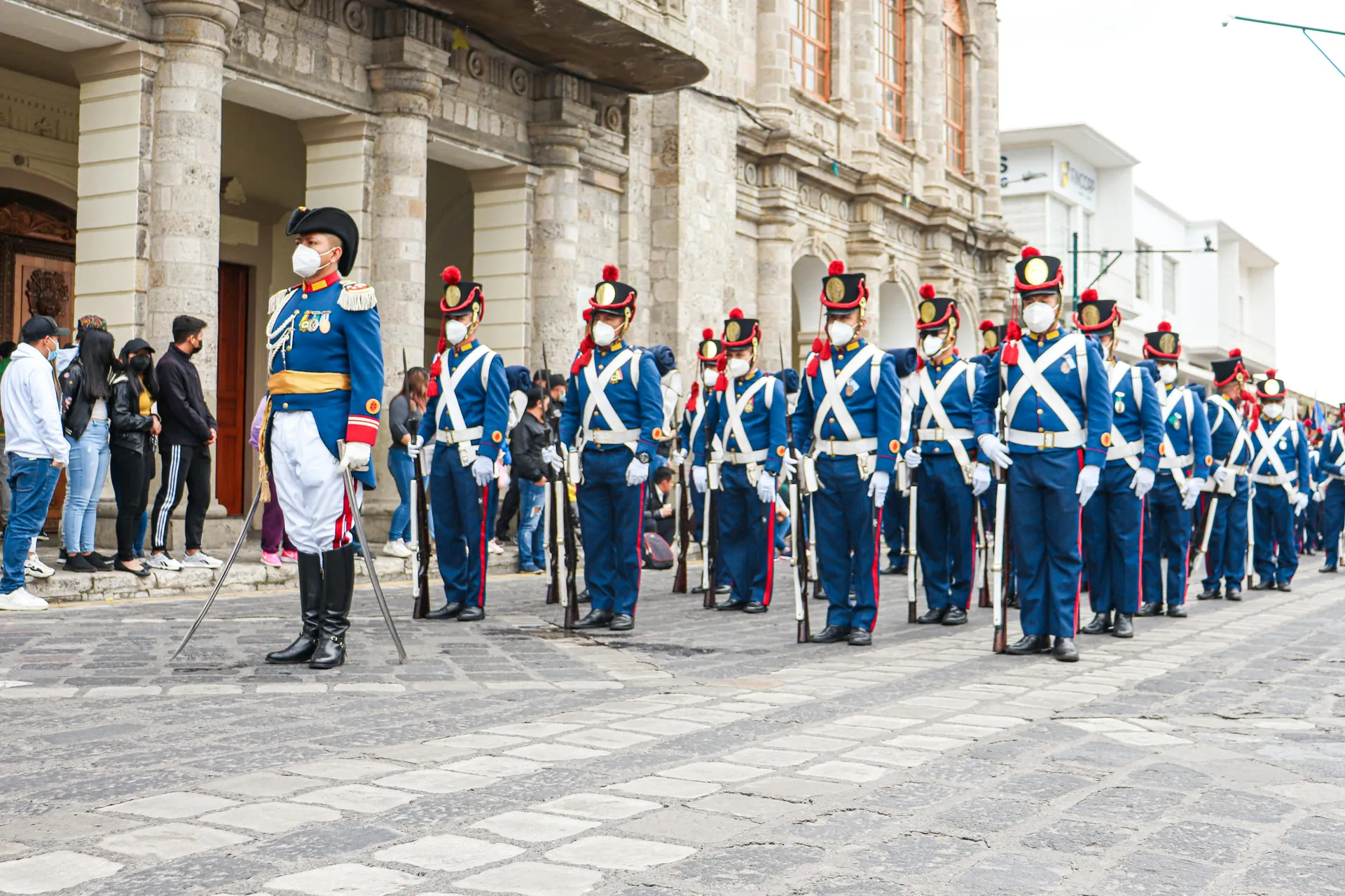
The southern reaches of the Ecuadorian Andes possess a linguistic rhythm distinct from the sharp, rapid-fire Spanish of Guayaquil or the formal “Quiteño” accent of the capital. In the Valley of Longevity, the influence of the Loja province’s history as a center of music and literature is evident. Even the most basic interactions are tempered with a characteristic sweetness that mirrors the eternal spring weather. Understanding these subtleties is the first step toward true community integration.
Warmth in Suffixes
In the Southern Andes, the suffixes -ito and -ita are used to express affection and politeness rather than size. It turns a transaction into a connection. This linguistic “softening” is highly valued in local shops and restaurants, where a direct request might be perceived as brusque or demanding. By adding a diminutive, you signal that you are operating within the local cultural frequency of kindness.
Practical Examples
Instead of “un café,” ask for “un cafecito.” Instead of “por favor,” try “por favorcito.” If you are requesting your bill at a local eatery, “la cuenta, por favorcita” is more culturally resonant than the standard form. This practice extends even to names; your neighbor José becomes “Don Josecito,” a term of endearment that bridges the gap between formality and friendship.
Using the diminutive ‘por favorcito’ isn’t just a linguistic quirk; it is a sign of cultural resonance that shows you value the person you are speaking to.
Cultural Liaison, Loja Tourism Board
Addressing the Elders: The “Don” and “Doña” Protocol
Respect for age is paramount in the Valley of Longevity. When addressing residents—especially the famous centenarians—always use the titles “Don” (for men) and “Doña” (for women) followed by their first name. This protocol is essential for responsible tourism and community integration. Using “Señor” or “Señora” is not incorrect, but it can feel distant and overly formal in the intimate social fabric of the valley. For more on local etiquette, see our Visitor Rules.
For instance, if you are engaging with a community leader or a long-term resident at the Sunday market, “Buenos días, Doña Maria” carries significantly more weight than a simple “Hola.” This recognition of their status within the community often opens doors to stories and local insights that tourists rarely access. If you have arrived in the valley via a shuttle from Cuenca, practicing these titles during your first meal in the plaza is the best way to acclimate.
Kichwa Interjections: Expressing Sensation like a Local
Even Spanish-only speakers in the valley use Kichwa-derived emotional markers. These interjections are reflexive and universal across the Loja province. They communicate physical sensations more effectively than any descriptive sentence could. Utilizing them correctly immediately identifies you as someone who has spent time listening to the locals.
| Phrase | Pronunciation | Meaning / Usage |
|---|---|---|
| Achachay! | Ah-cha-chai | Expressing sudden cold (essential for Podocarpus hikes). |
| Arrarray! | Ah-rah-rai | When food or drink (like local coffee) is served burning hot. |
| Ayayay! | Ai-ai-ai | A universal marker for physical pain or minor accidents. |
| Atatay! | Ah-ta-tai | Used to express disgust or something physically unpleasant. |
If you are exploring the Podocarpus National Park and a cloud rolls in, “Achachay!” is the appropriate response to the sudden drop in temperature. Conversely, when your “Horchata Lojana”—a pink herbal tea made from 28 medicinal plants—is served steaming, “Arrarray!” is the only word you need. Note that in Vilcabamba, Horchata is never the rice-based drink found in Mexico; it is a vital health tonic. For a deeper understanding of these traditions, the Municipality of Loja provides extensive cultural archives.
Navigating the “Camioneta” Transport System
In Vilcabamba, the primary mode of local transport is the “camioneta” (white and green pickup truck taxis). These vehicles are the lifeblood of the valley, moving everything from bags of organic coffee to elderly residents. To catch one, head to the main plaza or flag one down on the road using a hand signal with your palm facing down. For longer distances, such as traveling to the airport, consult our comprehensive transport guide.
When the driver pulls over, the standard check is “¿Va para [Destination]?” (Are you going to…?). Once inside, or if you are riding in the back, you need to know how to request a stop. Unlike city buses with pull-cords, you must speak up. “En la esquina, por favor” (At the corner, please) is the standard request. If your destination is a specific landmark, use “Atrás de la tienda” (Behind the shop) or “Bajo el puente” (Under the bridge). Etiquette dictates that you pay the driver through the window or at the passenger door upon exiting. As of 2024, the bus fare from the Loja Terminal Terrestre to Vilcabamba remains approximately $1.75.
The “Sencillo” Crisis and Market Etiquette
As of 2024/2025, there is a chronic shortage of small coins and $1 or $5 bills in the valley. The phrase “¿Tiene sencillo?” (Do you have change?) is vital. Avoid paying with $20 bills at local stalls or for small fares. When shopping at the Sunday Market (Feria) in the central plaza, it is customary to ask for a “yapa”—a small free extra—after a purchase. Use the phrase: “¿Me da la yapa, por favor?” This is not “haggling” over the price, but rather participating in a traditional social contract between buyer and seller.
Always check the trail status before heading out. If a local warns you ‘El camino está feo,’ they aren’t talking about aesthetics; they mean the path is dangerous or washed out.
If you are planning a hike on Cerro Mandango, listen for the word “Senda.” This is the preferred local term for a narrow hiking path over “camino.” Due to geological erosion in 2024, these warnings are frequent. If you are unsure about the terrain, you might want to consider a guided excursion to safer, managed reserves like Cajas or Rumi Wilco.
Culinary Specifics: Beyond the Menu
When ordering Loja’s signature “Repe Lojano” (green banana and cheese soup), vegetarians should be cautious. While it seems meat-free, it often contains “mapahuira” (pork rinds). Use the phrase “Soy vegetariano, ¿tiene carne o manteca?” to clarify. For coffee enthusiasts, skip the “café soluble” (instant coffee) and ask specifically for “café filtrado” or “café pasado” to enjoy the world-class beans produced by the Loja Coffee Growers. If you are staying at one of the local wellness retreats, you will likely encounter the phrase “Siga nomás.” This is the most common Lojano way of saying “Come in” or “Go ahead.” If you say “Gracias,” a Lojano will often reply “Siga nomás” instead of “De nada.”
For more official information on Ecuadorian culture and travel safety, visit the Ecuador Ministry of Tourism or the Municipality of Loja. If you are planning what to bring for your high-altitude language immersion, check our Andean Packing List.

Shuttle from Cuenca to Vilcabamba Tour or Vice versa
⭐ Shuttle Experience
🔥 Exceptional 4.9/5 rating

Cuenca to Vilcabamba shuttle
⭐ Cuenca Experience
🔥 Free cancellation for flexible planning

Cajas Unveiled: A Half-Day Escape from Cuenca
⭐ Cajas Experience
🔥 Bestseller in 2026

Amazing Cajas National Park Tour from Cuenca
⭐ Amazing Experience
🔥 Likely to sell out soon!

Cuenca Food tasting tour of Hidden Gems for Small Groups
⭐ Cuenca Experience
🔥 High demand: 30 people viewed today

4h Cooking Class in Cuenca with 9 Recipes & Bottomless Drinks
⭐ 4h Experience
🔥 Booked 8 times today