The Best National Parks in Southern Ecuador
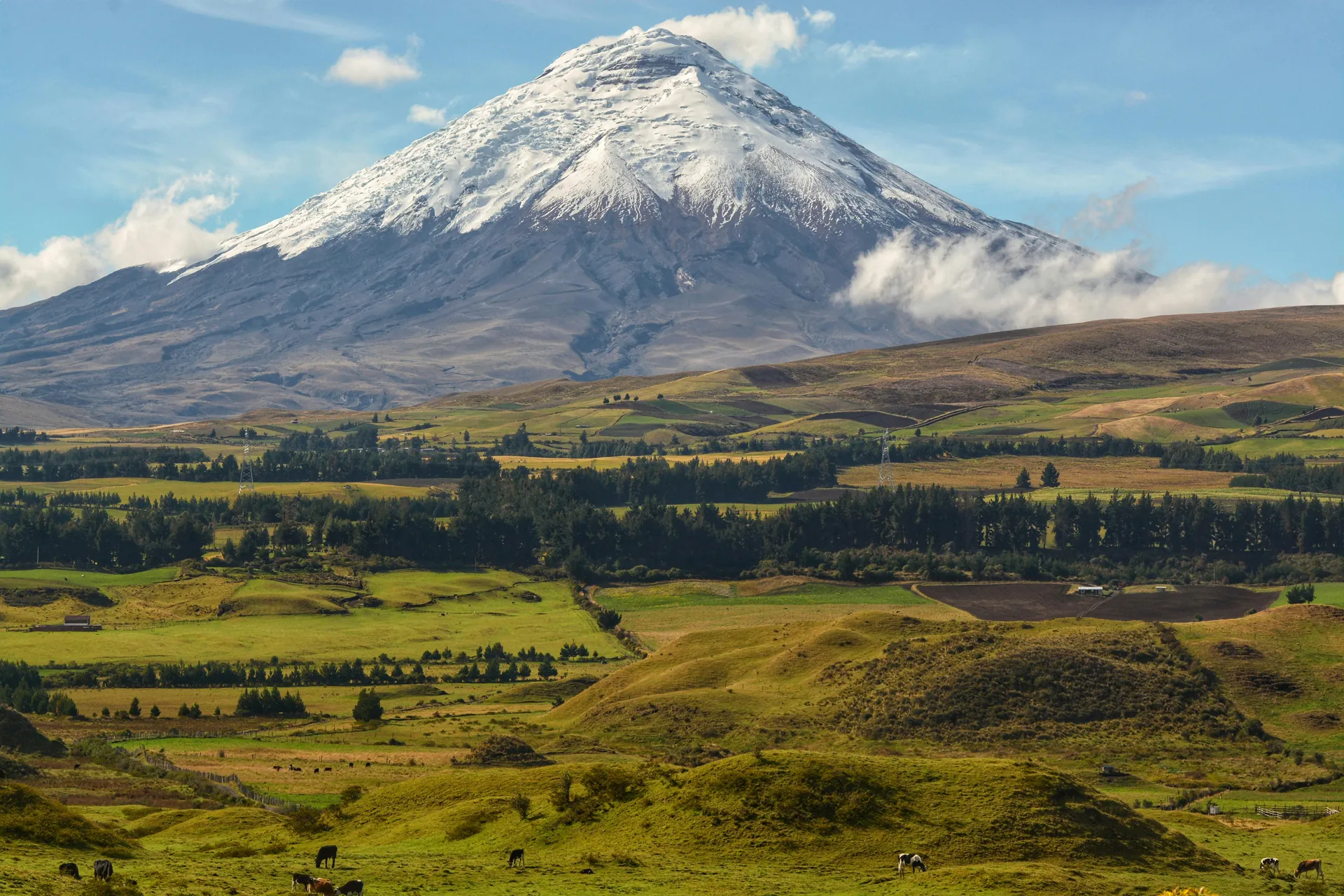
The Ecological Gateway: Southern Ecuador’s Untamed Wilderness
Loja Province represents a critical intersection of South American biology. It is here, in the southern reaches of the country, that the humidity of the Amazon basin collides with the verticality of the Andes. This geographical friction creates what scientists call a biodiversity hotspot, characterized by rapid shifts in microclimates. For travelers who find the northern highlands of Quito and Otavalo too saturated with tourism, the “Southern Circuit” offers a rugged, less-crowded alternative. This region remains one of the few places in the Andes where a traveler can move from a high-altitude paramo to a tropical cloud forest in less than an hour of driving.Strategically located at the heart of these protected corridors, Vilcabamba serves as the primary base camp for environmental exploration. While the town is famous for its “Valley of Longevity” lore, its actual value to the modern trekker lies in its proximity to the Podocarpus and Yacurí systems. Establishing a base here allows for high-altitude acclimatization before attempting the more demanding multi-day circuits. Visitors often arrive via a shuttle from Cuenca to Vilcabamba, which traverses the scenic Saraguro highlands before descending into the valley.Sustainable Protection & “Rincón Mágico” Status
Podocarpus: The Botanical Garden of America
Podocarpus National Park is the undisputed crown jewel of Southern Ecuador. Spanning approximately 146,000 hectares, the park is named after the Romerillo tree, the only native conifer in Ecuador. This genus is represented here by two distinct species: Podocarpus glomeratus, which thrives in the highland elfin forests, and Podocarpus rospigliosii, found in the lower, warmer zones. According to data from the Ministerio del Ambiente, the park serves as a vital water catchment for the entire Loja province, feeding the local river systems that make the valley’s agriculture possible.| Sector | Elevation | Primary Ecosystem | Trail Difficulty |
|---|---|---|---|
| Cajanuma | 2,800m – 3,400m | Cloud Forest / Paramo | Moderate to High |
| Bombuscaro | 1,000m – 1,500m | Subtropical Forest | Easy to Moderate |
| Vilcabamba Entry | 1,600m – 2,200m | Lower Montane Forest | Moderate |
Navigating the Cajanuma Sector
The Lagunas del Compadre Expedition
For those seeking the park’s ultimate challenge, the trek to the Lagunas del Compadre complex is mandatory. This is not a casual stroll; it is a 14-kilometer (8.7-mile) journey beginning at the Cajanuma refuge. The trek involves a steep, grueling 8-hour ascent through deep mud and fragile paramo grasses. Park rangers at the entrance strictly recommend a maximum pack weight of 15kg (33 lbs) because the thin air and vertical gain can quickly exhaust even fit hikers.The reward for this physical exertion is a series of pristine glacial lakes located at over 3,000 meters. The weather in this high-altitude zone is notoriously volatile. It is common to experience bright sunlight, heavy fog, and driving rain within the span of a single afternoon. If you are planning this multi-day expedition, you can coordinate gear and professional guidance through our Tickets & Tours hub.Yacurí National Park: The Land of 48 Lakes
Further south, near the border with Peru, lies Yacurí National Park. Established in 2009, this park protects exactly 48 glacial lakes. The most significant of these is Laguna Negra, a 1.5-kilometer-wide body of water that has been used for centuries by local shamans and healers for its perceived medicinal properties. Unlike the more lush Podocarpus, Yacurí is dominated by high-altitude moorlands and is significantly colder.Accessing Yacurí usually requires a private vehicle or a specialized tour from Loja. The park is less developed than Podocarpus, meaning trails are often just animal paths or traditional transit routes used by locals. It offers a degree of solitude that is becoming rare in the more accessible parts of the Andes.The Rumi Wilco Nature Reserve
If you prefer to stay closer to the valley floor, the Rumi Wilco Nature Reserve provides an exceptional middle-ground. This 40-hectare private reserve is located within walking distance of downtown Vilcabamba. It serves as a critical buffer zone between the developed valley and the wilderness of Podocarpus. Researchers here recently discovered Gonolobus rumihuilcanus, a vine species entirely new to science and endemic to this specific valley.Rumi Wilco monitors a localized population of 142 bird species. It is one of the most reliable places to spot the Pacific Pygmy-Owl, a Tumbesian endemic. The trails here are well-maintained and offer a lower-impact alternative to the grueling high-altitude treks of the national parks.Safety Note: While the parks are generally secure, travelers should be aware of current advisories. As of 2024-2025, international travel advisories suggest caution on the Cerro Mandango trail due to robbery risks; hiking in groups or with local police escorts is advised for that specific area.
Post-Hike Recovery and Gastronomy
After a day in the cloud forest, the local culinary scene provides the necessary calories for recovery. The authentic Tamal Lojano is a regional staple, notably wrapped in Achira leaves (Canna indica), which gives the corn masa a distinct herbal aroma that corn husks cannot replicate. For a lighter option, try the Repe Blanco, a creamy green banana soup made with quesillo lojano (unaged local cheese) and fresh milk.For those looking for a more eccentric experience, Shanta’s is a local institution famous for its “Snake Juice,” a 90% alcohol fermented cane juice. The restaurant features bar seats made from actual horse saddles. If you prefer a health-conscious approach, the United Falafel Organization (UFO) maintains a strict “no microwave” policy and uses exclusively brown sugar for its homemade desserts to ensure nutritional integrity.Plan Your Adventure
Whether you are attempting the 8-hour ascent to Lagunas del Compadre or exploring the biodiversity of Rumi Wilco, preparation is key. The weather in the paramo changes in minutes; layering is essential. If you are traveling from afar, remember that the Cooperativa Loja offers a direct night bus from Vilcabamba to Quito (Quitumbe Terminal) that departs daily at exactly 19:01. For a comfortable stay between hikes, consider the popular Hostería Izhcayluma, though be aware they only accept direct bookings and do not list on major travel portals.Southern Ecuador’s parks are part of the UNESCO-recognized Podocarpus-El Condor Biosphere Reserve, a testament to the global importance of this region’s conservation efforts.
Podocarpus National Park & Surroundings

Shuttle from Cuenca to Vilcabamba Tour or Vice versa
⭐ Shuttle Experience
🔥 Booked 4 times today

Cuenca to Vilcabamba shuttle
⭐ Cuenca Experience
🔥 Instant confirmation after booking

Cajas Unveiled: A Half-Day Escape from Cuenca
⭐ Cajas Experience
🔥 Over 69 reviews – Verified quality

Cajas National Park Small-Group tour from Cuenca
⭐ Cajas Experience
🔥 Free cancellation for flexible planning

Private Shuttle Cuenca to/from Guayaquil
⭐ Private Experience
🔥 Instant confirmation after booking

Full-Day Ingapirca, Gualaceo & Chordeleg from Cuenca
⭐ Full-Day Experience
🔥 Professional local guide included