Navigating Altitude Sickness in the Andes
Acclimatization Strategies: The 1,500-Meter Advantage
Vilcabamba functions as the Andes’ most strategic physiological “decompression chamber.” While high-altitude hubs like Quito (2,850m) or the Sacred Valley in Peru (2,400m+) can trigger immediate respiratory distress in travelers arriving from sea level, Vilcabamba sits at approximately 1,500 meters (4,921 ft). According to the International Society for Mountain Medicine (ISMM) [Official Website], Acute Mountain Sickness (AMS) typically begins at the 2,500m threshold. This makes the valley an ideal “recovery zone” for those descending from the northern highlands or a stabilizing base for those preparing to climb higher into the Loja Province.
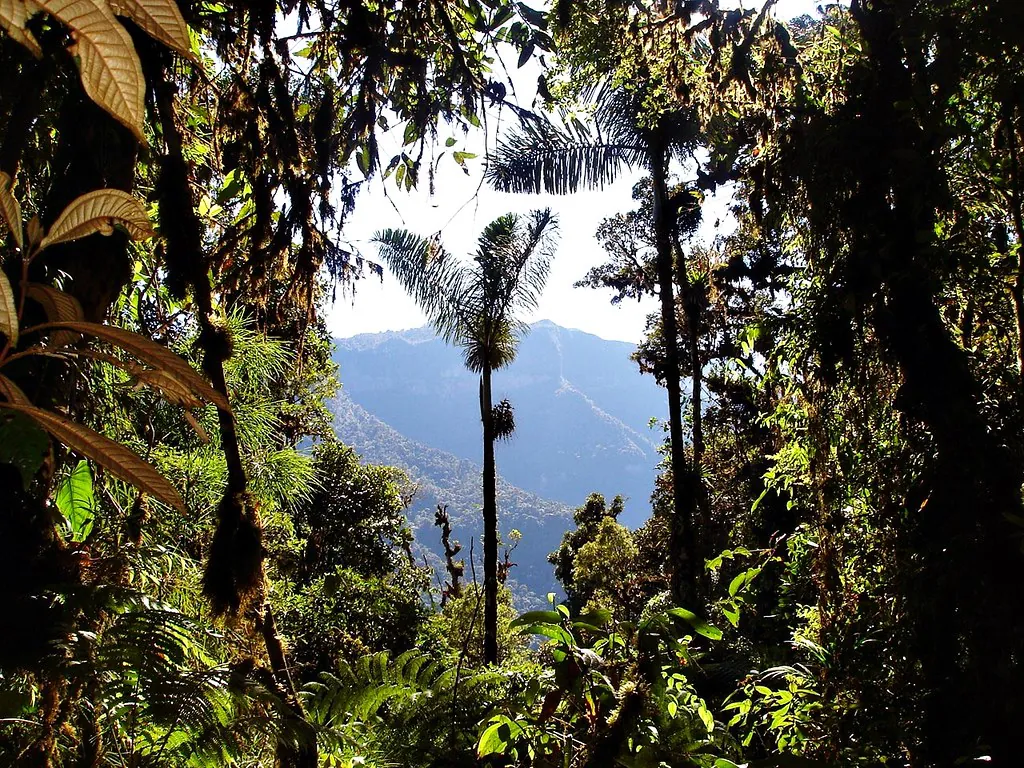
The “eternal spring” climate of the valley supports a restorative pace, allowing the body to begin its gradual increase in red blood cell count without the debilitating symptoms of “Soroche” (altitude sickness). For many, Vilcabamba is a destination for The Secrets of Longevity, but its primary utility for the modern traveler is its role as a biological buffer. Life here encourages deep breathing and slow movement, essential practices before venturing into the high-altitude cloud forests of Podocarpus National Park. Travelers often arrive via a private shuttle from Cuenca, noticing a marked improvement in sleep quality as they descend from the 2,500m heights of the Azuay Province.
Category 1: Wellness & Pharmaceutical Recovery
Hosteria Izhcayluma: Sleep Stabilization
For travelers arriving from coastal regions, the first 48 hours are critical for stabilizing circadian rhythms. At higher elevations like Quito or Cuenca, many experience periodic breathing (Cheyne-Stokes respiration), which causes sudden waking and insomnia. Hostería Izhcayluma [Official Website] is strategically positioned to avoid this. Their facilities focus on low-impact relaxation and panoramic views, allowing guests to mentally adjust to the Andean landscape while their systems recalibrate. For more on selecting the right base for your stay, consult our guide on Where to Stay: Hotels & Rentals.
Pharmacy Hubs & Modern Remedies
Navigating the 2024/2025 medical landscape in Vilcabamba is efficient through local outlets like Farmacias Mia and SanaSana. The most sought-after remedy is “Altivital,” a specialized Andean capsule combining aspirin, caffeine, and Salpichroa origanifolia. For those planning aggressive ascents, “Glaucomed” (the local brand for Acetazolamide/Diamox) is available. The CDC Yellow Book 2024 [Official Resource] suggests a prophylactic dose of 125mg to 250mg twice daily, starting 24 hours before ascending to higher peaks.
Category 2: Physiological Adaptation & Environmental Risks
The Cajanuma Ascent Risk
While Vilcabamba is safe, day trips to the Cajanuma entrance of Podocarpus National Park present a significant challenge. You will ascend from 1,500m to over 2,750m within a 45-minute drive. This rapid elevation gain is a primary trigger for Soroche. If you are booking a guided trek or exploring Nearby Attractions, monitor your oxygen saturation (SpO2). At Vilcabamba’s elevation, 95-98% is normal; however, drops to 90% are common during initial hikes in the Loja highlands.
UV Intensity & The Alcohol Multiplier
In 2024, the Loja Province recorded extreme UV Index levels of 11–14. Because the atmosphere is thinner, UV radiation increases by approximately 10-12% for every 1,000 meters of elevation. This necessitates high-SPF protection to prevent “altitude sores.” Additionally, the hypobaric conditions slow ethanol metabolism. One drink in the Loja highlands is physiologically equivalent to nearly two at sea level. Travelers should consult our Safety Tips for more on managing environmental stressors while exploring the southern Andes.
“Acclimatization is not a race; it is a biological negotiation. In Vilcabamba, the air is thick enough to heal but thin enough to prepare you for the Great Andean Divide.”
— Local Health Consultant, Loja Province
Category 3: Emergency Protocols & Natural Remedies
Muña: The Andean Respiratory Aid
While coca tea is widely recognized, the local preference in the Loja region is Muña (Minthostachys mollis). This Andean mint contains high levels of pulegone and menthone, compounds documented in the Journal of Ethnopharmacology to alleviate nausea associated with hypobaric hypoxia. It serves as both a digestive and a respiratory aid. Drinking Muña tea during your first 72 hours in the valley helps maintain gastric stability—a common issue when the body redirects blood flow to vital organs at altitude.
High-Altitude Emergency Response
Severe High Altitude Pulmonary Edema (HAPE) or Cerebral Edema (HACE) are rare at 1,500m but possible for those trekking higher. The nearest specialized facility is the Hospital General Isidro Ayora in Loja, which operates a dedicated pulmonary unit. For logistical details on reaching Loja in an emergency, refer to How to get to Vilcabamba. According to the Ministerio de Salud Pública [Official Site], rapid descent is the primary treatment, and Vilcabamba’s location makes it the safest immediate destination for those descending from the higher peaks of Podocarpus.
Mastering the Mountain: Practical Traveler Advice
Successful acclimatization in the Andes requires a disciplined approach to hydration and nutrition. Local health experts recommend a 3-to-1 water-to-electrolyte ratio for the first three days. The mineral-rich water of the Vilcabamba River is naturally high in magnesium and calcium, which aids in muscle recovery. However, travelers should ensure they are consuming bottled or treated water as outlined in our Visitor Rules & Guidelines. Avoid heavy, protein-rich meals during your first night, as digestion slows significantly at altitude; opt instead for complex carbohydrates which require less oxygen to metabolize.
When preparing your gear, remember that temperature fluctuations at 1,500m are dramatic. A sunny afternoon can quickly turn into a chilly Andean evening. Ensure you have consulted our Ecuador Packing List to include layering systems and high-altitude essentials like polarized sunglasses. If you are arriving from a day trip to Cajas National Park, do not underestimate the physical toll of the 4,000m peaks; give yourself at least one full day of “zero activity” in Vilcabamba to allow your heart rate to return to its baseline.
The 2025 health outlook for Vilcabamba emphasizes preventative care. By using the valley as a stepping stone rather than a race track, travelers can enjoy the southern Andes without the shadow of altitude sickness.
- Baseline SpO2: Maintain 95-98% at 1,500m.
- Hydration: 3 liters daily with electrolytes.
- Sun Protection: Reapply SPF 50+ every 2 hours due to extreme UV.
- Pharmacy: Look for “Altivital” at Farmacias Mia.
- Natural Aid: Request Muña tea over coffee during the first 48 hours.
For more information on the regional climate and the best window for high-altitude trekking, visit our Climate & Best Time to Visit page. Understanding the “eternal spring” cycles is key to avoiding the heavy mists that can make navigation difficult in the higher cloud forests.

Cuenca to Vilcabamba shuttle
⭐ Cuenca Experience
🔥 Likely to sell out soon!

Cajas Unveiled: A Half-Day Escape from Cuenca
⭐ Cajas Experience
🔥 Booked 10 times today

Private Shuttle Cuenca to/from Guayaquil
⭐ Private Experience
🔥 Free cancellation for flexible planning

Shuttle from Cuenca to Vilcabamba Tour or Vice versa
⭐ Shuttle Experience
🔥 Booked 12 times today

Cajas National Park Small-Group tour from Cuenca
⭐ Cajas Experience
🔥 Professional local guide included

Amazing Cajas National Park Tour from Cuenca
⭐ Amazing Experience
🔥 Booked 4 times today