Vilcabamba is more than a scenic valley; it is a global sanctuary where the “eternal spring” climate supports a fragile, high-altitude Andean ecosystem. The valley’s reputation for longevity is inextricably linked to the purity of its environment, making conservation not just a preference, but a vital necessity for the health of its residents and visitors alike. Located at an intersection of distinct climatic zones, the region serves as a biological bridge between the high Andes and the Amazon basin.
The Ecological Significance of the Sacred Valley
The environmental health of Vilcabamba is defined by its unique positioning. Situated at approximately 1,500 meters (4,900 feet) above sea level, the valley functions as a microclimate where stable temperatures and consistent humidity levels foster year-round growth. This “eternal spring” is not merely a tourist draw; it is a complex biological engine. However, this stability is delicate. The intersection of Amazonian moisture and Andean topography creates a “cloud forest” effect in the higher elevations, which is responsible for the water security of the entire valley floor.
Protecting this ecosystem requires a deep understanding of the local flora and fauna. The valley is home to the Huilco tree (Acacia karroo), the region’s namesake, which plays a critical role in nitrogen fixation and soil stabilization. Efforts by local groups like “Amigos de la Naturaleza” are currently focused on reforesting the slopes of Cerro Mandango to prevent the soil erosion that threatens local infrastructure and agriculture during the rainy seasons. For those arriving via a shuttle from Cuenca, the transition from the high paramo to this temperate valley highlights the dramatic shift in biodiversity over a short geographical distance.
Global Legal Precedents: The Rights of Nature
In a world-first legal precedent, the Vilcabamba River became the first ecosystem to successfully defend its rights in court. On March 30, 2011, the Provincial Court of Loja ruled in favor of the river in the landmark case of Wheeler vs. Director of Public Works of Loja. This ruling established that nature has the right to exist and be restored, effectively halting a provincial road expansion project that was depositing tons of construction debris into the riverbed.
Nature or Pachamama, where life is reproduced and occurs, has the right to integral respect for its existence and for the maintenance and regeneration of its life cycles, structure, functions and evolutionary processes.
— Article 71, Constitution of Ecuador
The case was built upon the 2008 Ecuadorian Constitution, which was the first in the world to codify the “Rights of Nature.” You can read the full legal analysis of this historic event through the Global Alliance for the Rights of Nature [Official Website]. This victory shifted the local perspective from viewing the river as a resource to recognizing it as a legal entity with protected interests.
Constitutional Protection: Articles 71–74
The legal framework that protects Vilcabamba is remarkably specific. Unlike many nations where environmental law is based on human harm, Ecuador’s laws focus on the ecosystem itself. This provides local activists and the Visitor Rules & Guidelines framework with a powerful tool for conservation.
| Article | Legal Protection Summary |
|---|---|
| Article 71 | The right for Nature (Pachamama) to exist and regenerate life cycles. |
| Article 72 | The right to restoration, independent of the obligation of the State to compensate individuals. |
| Article 73 | The State shall apply preventive and restrictive measures for species extinction. |
| Article 74 | The right of communities to benefit from the environment that allows them to live well. |
The UNESCO Podocarpus-El Cóndor Biosphere Reserve
Vilcabamba serves as a primary gateway to the UNESCO Podocarpus-El Cóndor Biosphere Reserve [Official Website], designated in 2007. This massive protected area is a “biodiversity hotspot” where Amazonian humidity meets the cold heights of the Andes. The reserve is critical for global environmental health, protecting over 4,000 plant species and hundreds of endemic birds.
A Biodiversity Hotspot
The reserve protects the Cinchona officinalis, Loja’s provincial tree and the original source of quinine. In 2024, reforestation efforts led by Naturaleza y Cultura Internacional [Official Website] have focused on restoring this species within the buffer zones surrounding Vilcabamba.
Wildlife Corridors
Recent camera-trap studies (2023-2024) have confirmed that the mountains above Vilcabamba form part of the essential “Podocarpus-Yacurí” corridor. This path is vital for the survival of the Tremarctos ornatus (Andean Bear), the only bear species native to South America.
The Sacred Waters: Rio Uchima and Rio Chamba
The lifeblood of the valley consists of two primary rivers: the Rio Uchima and the Rio Chamba. These hydrological systems carry mineral-rich water from the high-altitude cloud forests of Podocarpus National Park down into the valley. These rivers converge to form the Vilcabamba River, which then flows toward the Pacific watershed. For a broader look at how these ecosystems compare to other Andean parks, travelers often compare these hikes to Cajas National Park tours near Cuenca.
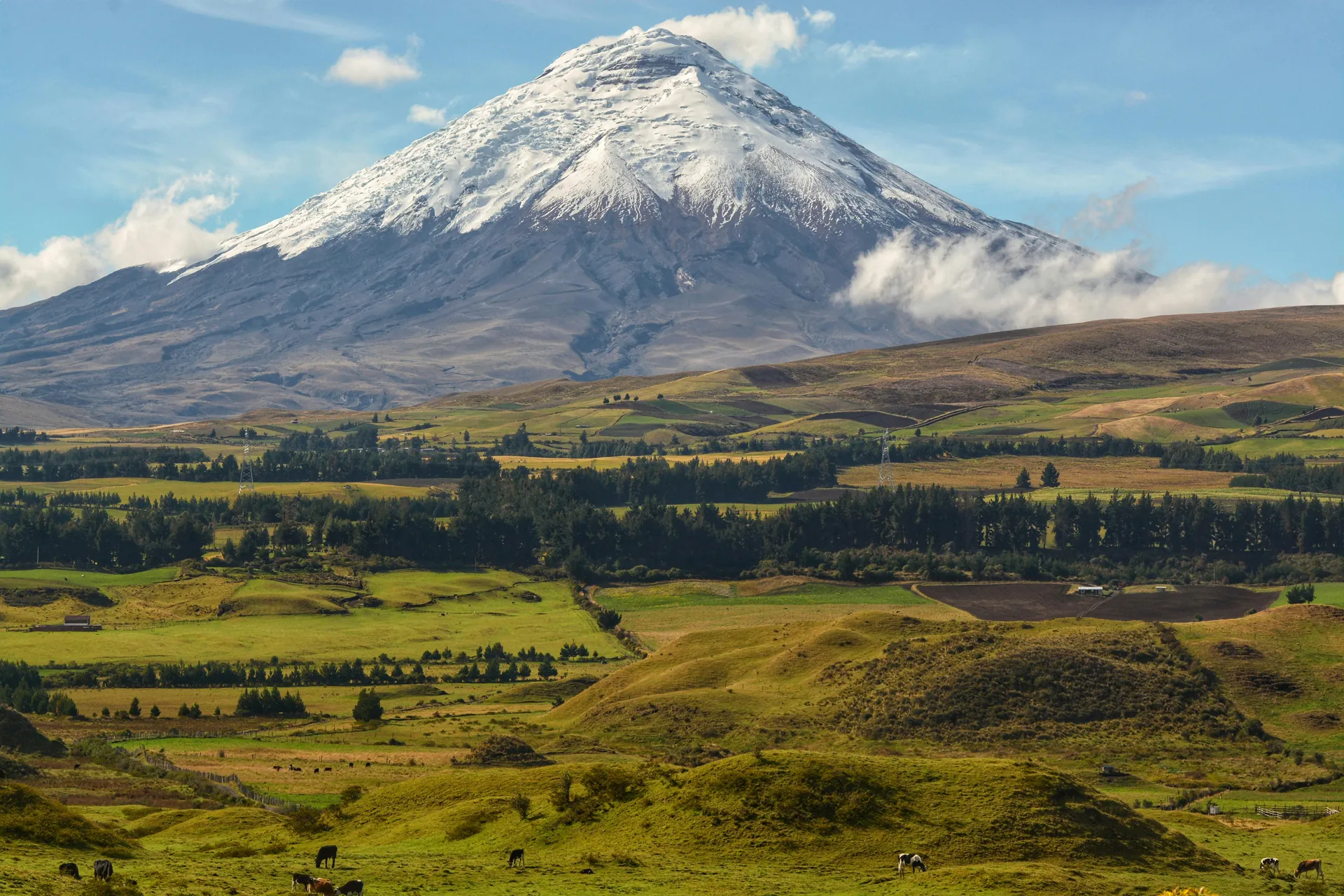
Local tradition and early scientific studies suggest that the specific mineral composition of these waters—containing traces of magnesium and gold—contributes to the local population’s health. Protecting these headwaters from agricultural runoff is the primary goal of the Junta de Agua de Vilcabamba. This local water board manages distribution for approximately 4,800 residents and maintains strict oversight of the “fincas” located upstream to prevent chemical contamination.
Responsible Tourism: Leave No Trace
To preserve this sanctuary, visitors must adhere to strict environmental standards. The Loja Canton, which includes Vilcabamba, maintains a 3-tier waste separation system that has won international awards for sustainability. Residents and tourists are expected to separate refuse into Green (Organic), Black (Non-recyclable), and Blue (Recyclable) bins. Detailed information on these protocols can be found on the Municipality of Loja [Official Government Portal].
- Fire Prevention: During the dry season (July–September), the Loja Fire Department implements a “Zero Fires” program for Cerro Mandango. Smoking or lighting fires on trails is strictly prohibited.
- Endemic Flora: Loja hosts approximately 800 orchid species. Removing any plant life, especially the Cyrtochilum and Masdevallia genera, is a federal offense under the Ministry of Environment [Official Website] guidelines.
- Permaculture Hubs: Sites like Finca Sagrada and Sacred Sueños offer educational courses on seed saving and regenerative agriculture, helping to preserve heirloom Andean corn and beans.
By following these principles and respecting the “Rights of Nature,” you contribute to the ongoing preservation of the Sacred Valley. For more information on how to navigate the region responsibly, please consult our transportation guide for the best eco-friendly travel options into the valley.