Regional Context: Vilcabamba as the Southern Anchor
Vilcabamba functions as the primary logistical base for the Loja Province, positioned at an elevation of 1,500 meters. While many visitors arrive specifically to investigate The Secrets of Longevity, the valley serves as a critical geographic link between the Tumbesian dry forests and the high-altitude cloud forests of the Amazonian fringe. Its location allows for strategic day-trip access to the provincial capital and serves as a launching point for travelers navigating the southern Andean corridor toward Peru or the northern volcanic circuits.The region is characterized by extreme biodiversity and a transition in microclimates that occurs over very short distances. Within a 60-minute drive from the valley center, the environment shifts from the arid, cactus-dotted landscape of the Catamayo valley to the damp, orchid-rich paramo of the high Andes. Understanding this regional context is essential for travelers who wish to maximize their stay in Southern Ecuador, as Vilcabamba offers a more temperate climate than the cooler highlands of Loja or Cuenca.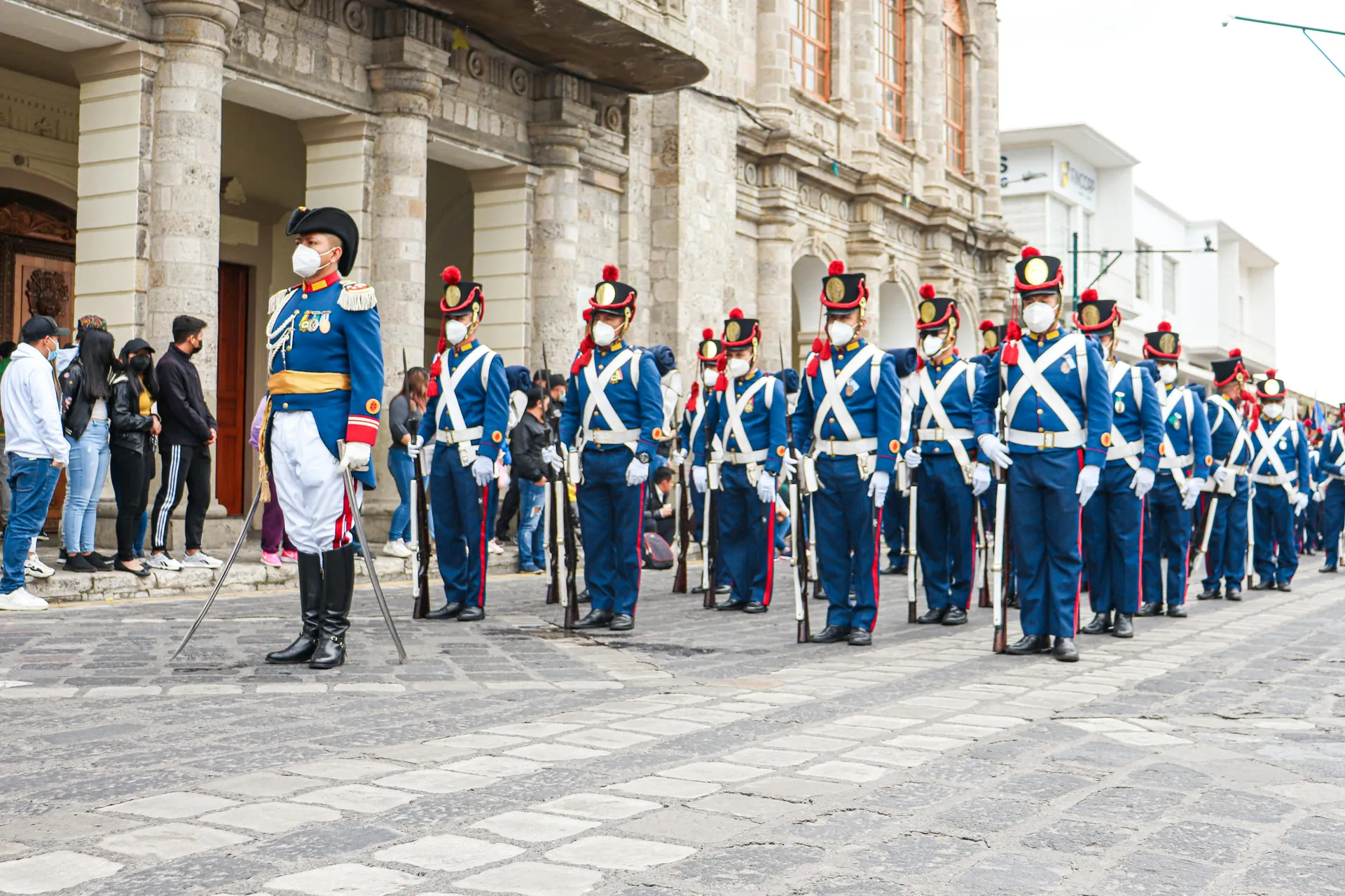
Regional Comparison: Travel Times & Highlights
Navigating the Loja Province requires an understanding of the winding Andean topography. While distances may appear short on a map, the vertical gain and loss significantly impact travel duration. The following data reflects 2025 averages for transit from Vilcabamba to key regional hubs.| Destination | Distance | Primary Mode | Est. Duration | Key Highlight |
|---|---|---|---|---|
| Loja City | 45 km | Public Bus | 1 Hour | International Arts Festival |
| Malacatos | 12 km | Taxi / Colectivo | 15 Min | Sugar Cane Moliendas |
| Podocarpus (Cajanuma) | 35 km | Private Transport | 45 Min | High-Altitude Cloud Forest |
| Catamayo Airport | 75 km | Private Shuttle | 1.5 Hours | Gateway to Quito/Guayaquil |
| Saraguro | 110 km | Interprovincial Bus | 2.5 Hours | Indigenous Textile Markets |
Cultural & Natural Hubs of the Loja Province
Loja: The Musical Capital
Loja is the administrative heart of the province and is recognized as the “Music and Cultural Capital of Ecuador.” The city is most active during the Festival Internacional de Artes Vivas Loja (FIAVL), which took place from November 14 to 24 in 2024. During this annual event, the historic center—specifically the cobblestoned Calle Lourdes—becomes a stage for international theater, dance, and street performances. Travelers planning to visit during the 2025 iteration should check accommodation availability early, as regional occupancy peaks during mid-November.Beyond the festival, the city offers sophisticated urban amenities. The *Museo de la Música* showcases the region’s deep-seated troubadour traditions, while the *Puerta de la Ciudad* marks the historic entrance to the colonial core. For birders and nature enthusiasts, the Yamburara Zoo and Botanical Garden, located on the city’s outskirts, features a specialized *Orquideario* (Orchid House). This facility houses over 30 native species, including members of the *Cyrtochilum* genus, for an entry fee of just $1.00 USD.Podocarpus National Park
The Cajanuma entrance to Podocarpus National Park is located at a threshold of 3,000 meters. This section of the park is famous for its “elfin forests,” where stunted trees are draped in thick layers of moss and bromeliads. The most accessible route is the “Los Miradores” trail, a 5-kilometer loop that provides views over the Loja valley. As of 2024, the Ministerio del Ambiente requires a mandatory check-in at the ranger station, though entry remains free for all visitors.Environmental conditions in Podocarpus are significantly cooler and wetter than in Vilcabamba. Hikers should consult the Ecuadorian packing list to ensure they have high-altitude gear, as temperatures at Cajanuma can drop rapidly. The park is a critical habitat for the spectacled bear and is a world-class birding location. It is one of the few places where travelers might spot the Pale-browed Tinamou or the Watkins’s Antpitta, both of which are endemic to the Tumbesian region.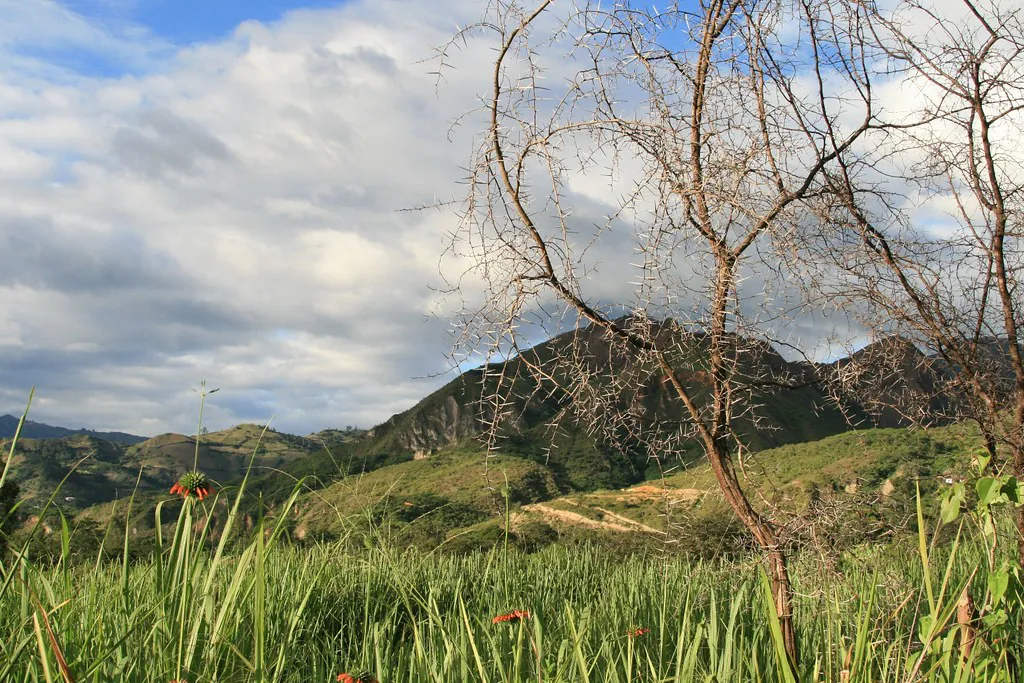
Malacatos and the Tradition of the Molienda
Located 15 minutes north of Vilcabamba, the valley of Malacatos is the epicenter of regional sugar cane production. Unlike the tourist-focused centers in the north, Malacatos maintains an active agricultural economy centered on *moliendas* (sugar mills). At “Finca El Carmen,” visitors can observe the extraction of cane juice and its reduction into *Pailón de Bronce* (cane syrup) or its distillation into *Aguardiente*. This local spirit, often referred to as “Puntas” in its high-proof form, is a staple of Loja’s rural culture and typically costs between $5 and $8 USD per bottle.The town’s central plaza is a practical stop for travelers looking to experience authentic Loja gastronomy. Local vendors sell *Amasijos* (baked corn sweets) and *Humitas*. For those heading toward the Catamayo airport, a stop at “Amasijos de la Abuela” in the nearby village of San Pedro de la Bendita is mandatory. This bakery is famous for its *Bizcochuelos*, a light sponge cake that has been a regional specialty for generations. These culinary traditions are deeply linked to the Ecuadorian coffee culture, as these sweets are traditionally served alongside high-altitude Loja roasts.“The transition from the dry, sun-baked hills of Malacatos to the misty heights of Podocarpus is one of the most dramatic ecological shifts in the Andes, achievable in under an hour.”
Pre-Columbian History: The Masanamaca Petroglyphs
Fifteen minutes north of Vilcabamba, near the “Hostería El Descanso del Toro,” lies one of the region’s few accessible archaeological sites. The Masanamaca Petroglyphs consist of pre-Columbian rock carvings attributed to the Palta culture, which inhabited the area between 500 and 1400 AD. These carvings depict stylized anthropomorphic figures and geometric patterns, offering a rare glimpse into the spiritual life of the valley’s original inhabitants before the Inca expansion.Access to the site is via a small dirt path that can be difficult to locate without local guidance. Many visitors include this stop as part of a larger exploration of the tickets and tours available in the valley. While the site is not as large as the Ingapirca ruins near Cuenca, its proximity to Vilcabamba makes it an essential visit for history enthusiasts. For those interested in larger archaeological sites, a private tour to Ingapirca from Cuenca remains the gold standard for Incan history in Southern Ecuador.Logistics & Regional Connectivity
Successfully exploring the attractions around Vilcabamba requires a mix of public and private transport. The Terminal Terrestre de Loja serves as the central hub for all interprovincial travel. From this terminal, travelers can connect to the Catamayo Airport (LOH), which offers daily flights to Quito and Guayaquil. For 2025, the standard taxi fare from Vilcabamba to the airport is fixed between $35 and $45 USD, while the public bus alternative requires a transfer in Loja and costs less than $5 USD total.Travelers moving further north often utilize Cuenca as their next major base. To ensure safety and comfort, many opt for a shuttle from Vilcabamba to Cuenca. This door-to-door service eliminates the need to navigate the Loja bus terminal with heavy luggage. For more details on navigating these routes, refer to the How to get to Vilcabamba guide.Before embarking on regional excursions, visitors should review the Visitor Rules & Guidelines to understand local etiquette and safety protocols. While the Loja Province is generally one of the safest regions in Ecuador, maintaining awareness in crowded areas like the Loja Main Terminal is advised. For those venturing into the national parks, adhering to environmental regulations is mandatory to protect the delicate cloud forest ecosystem, as detailed in our Conservation & Environment section.Note: Always carry your passport or a high-quality color copy when traveling between Loja and Vilcabamba, as occasional police checkpoints operate along the Troncal de la Sierra (E35) to verify tourist visas.
Family Friendly
Top Rated


Shuttle from Cuenca to Vilcabamba Tour or Vice versa
⭐ Shuttle Experience
Flexible • Professional guide
✓
Mobile ticket • Free cancellation
🔥 Exceptional 4.9/5 rating
Couple’s Choice
Top Rated

Cuenca to Vilcabamba shuttle
⭐ Cuenca Experience
Flexible • Professional guide
✓
Mobile ticket • Free cancellation
🔥 High demand: 11 people viewed today
Best Value
Top Rated

Private Shuttle Cuenca to/from Guayaquil
⭐ Private Experience
Flexible • Professional guide
✓
Mobile ticket • Free cancellation
🔥 Exceptional 4.9/5 rating
Nature Lovers
Top Rated

Private Tour from Cuenca to Ingapirca Ruins with Lunch
⭐ Private Experience
Flexible • Professional guide
✓
Mobile ticket • Free cancellation
🔥 Booked 9 times today
Bestseller
Top Rated

Cuenca to Guayaquil one-way tour with Cajas Park and a Cacao Farm visit
⭐ Cuenca Experience
Flexible • Professional guide
✓
Mobile ticket • Free cancellation
🔥 Bestseller in 2026
Adventure Seekers
Top Rated

Cajas National Park Half Day Tour from Cuenca
⭐ Cajas Experience
Flexible • Professional guide
✓
Mobile ticket • Free cancellation
🔥 Professional local guide included